
【博觀而約取,厚積而薄發——張崑崙書院與未央書院第二次交流參訪活動圓滿落幕】
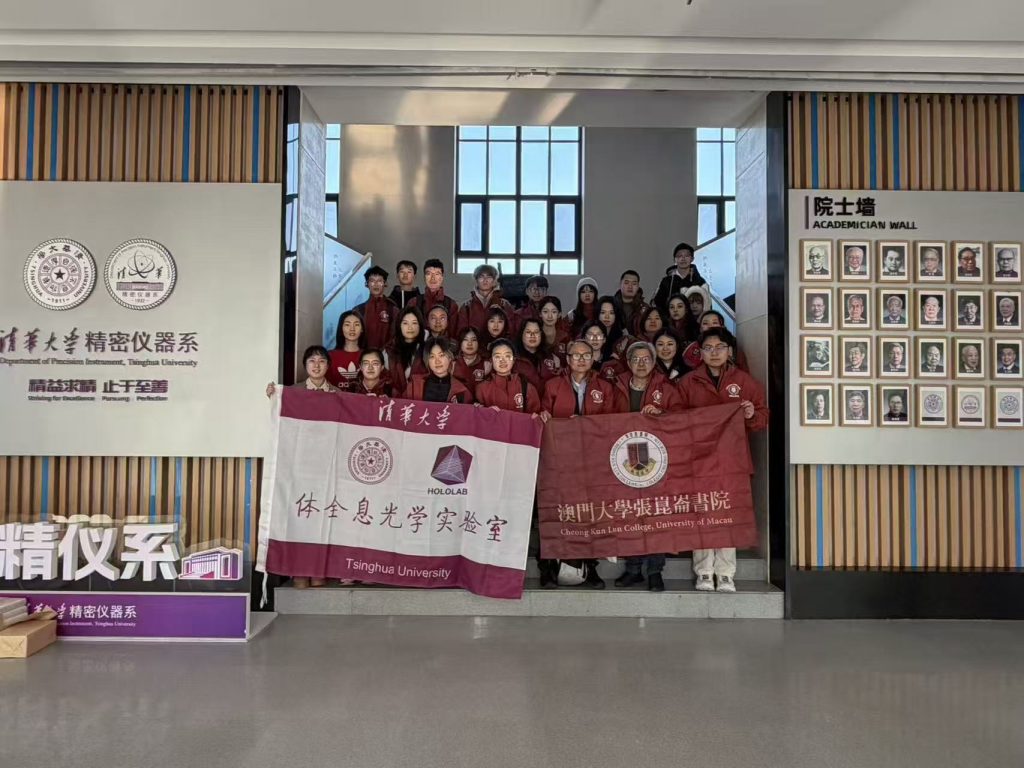
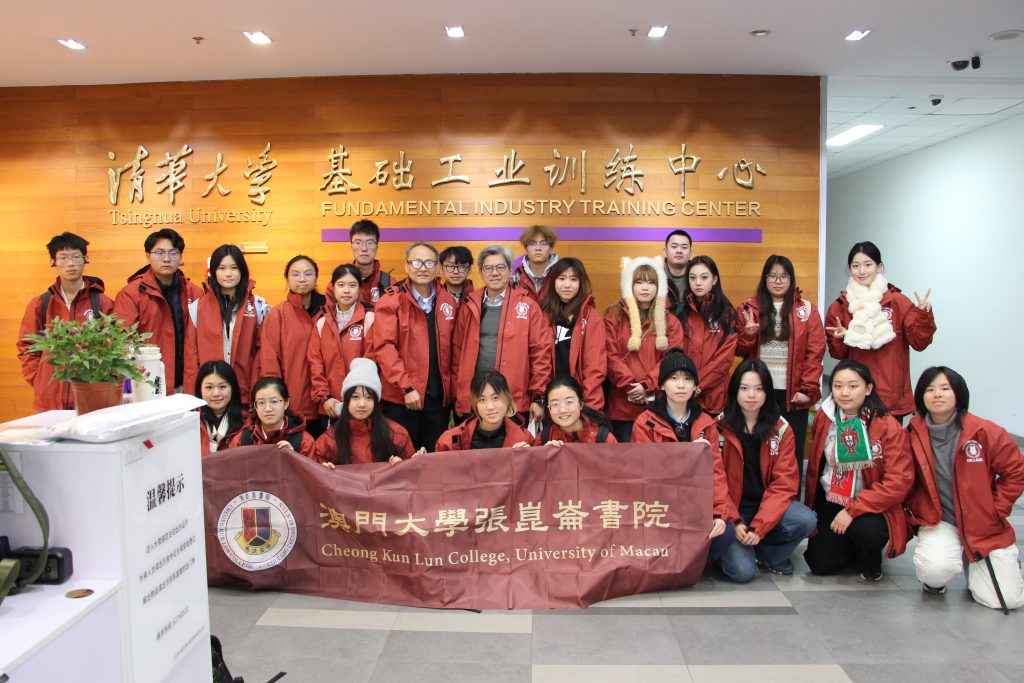
冬去春來又一年,燕語鶯啼共錦篇。2025年12月20日至24日,澳門大學張崑崙書院院長黃民聰教授、科技學院助理院長林智超教授帶領書院師生一行二十六人,前往清華大學未央書院開展為期五天的參訪交流。這是繼兩院2024年5月簽署合作備忘錄後的第二次正式互動,旨在深化理解、鞏固情誼,推動合作願景落地。
在黃民聰院長的親自指導下,書院老師帶領學生領袖共同策劃實施此次參訪活動。本次交流方式與以往大不相同。申請環節通過線上初篩出有交流意願與潛力的同學,再經分組面試深入了解興趣與特長,最終分為科技組、文化組與書院組。且交流後三組進行演講答辯比拼,分別以“科技組:探索創新前沿,聚焦可持續發展”“文化組:傳承文化精髓,創新教育模式”“書院組:對標教育模式,共話育人未來”為主題展開。
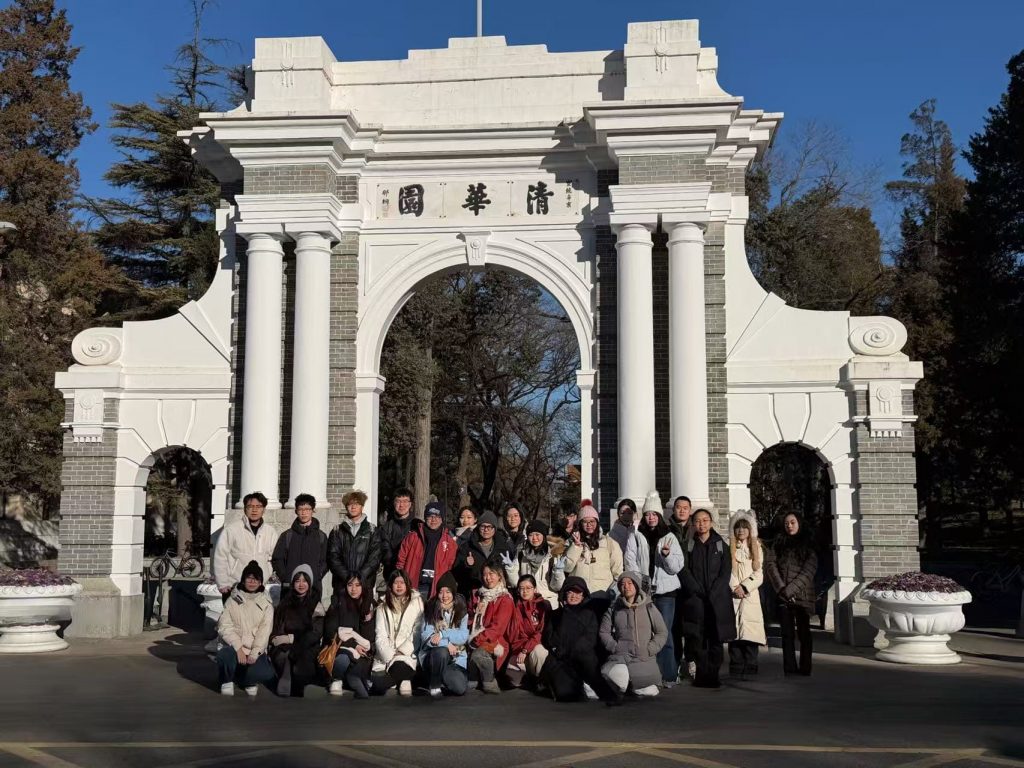
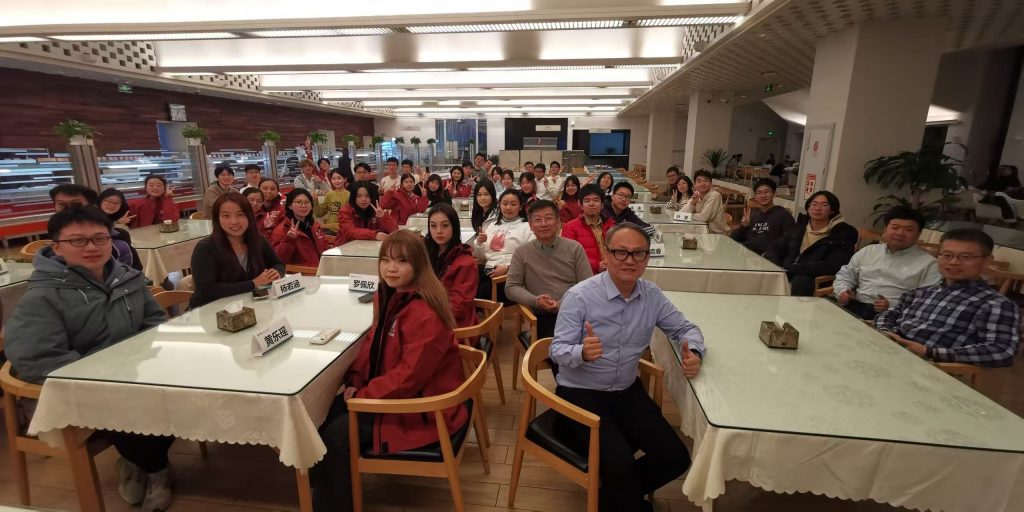
在清華交流期間,參訪團深入清華大學積體電路學院微納加工中心、電機系重點實驗室及京東方科技集團,觀察晶片設計、能源轉換等前沿科研設施,體驗“學、研、用”全鏈條過程;走進故宮、中國國家博物館、798藝術區及清華藝術博物館,感受中華文明與現代藝術交融;沿清華校史軸線瞻仰西南聯大紀念碑、聞一多雕像,參與“公共演講藝術”專題分享,對比“通專融合、本博貫通”與“四位一體”育人模式。
 |
 |
 |
 |
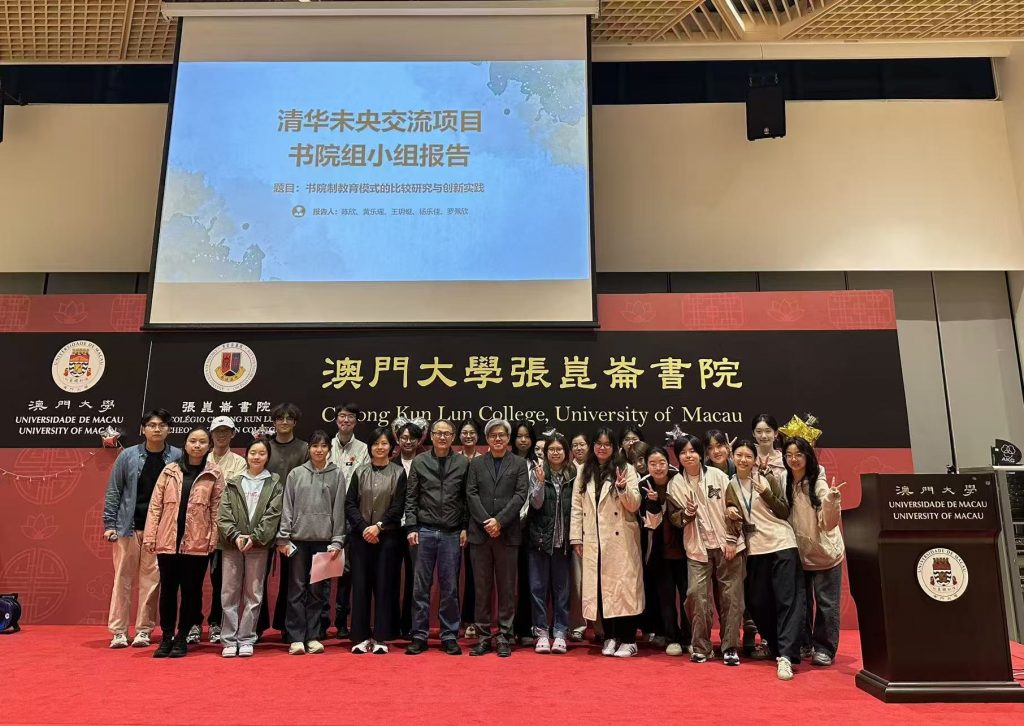
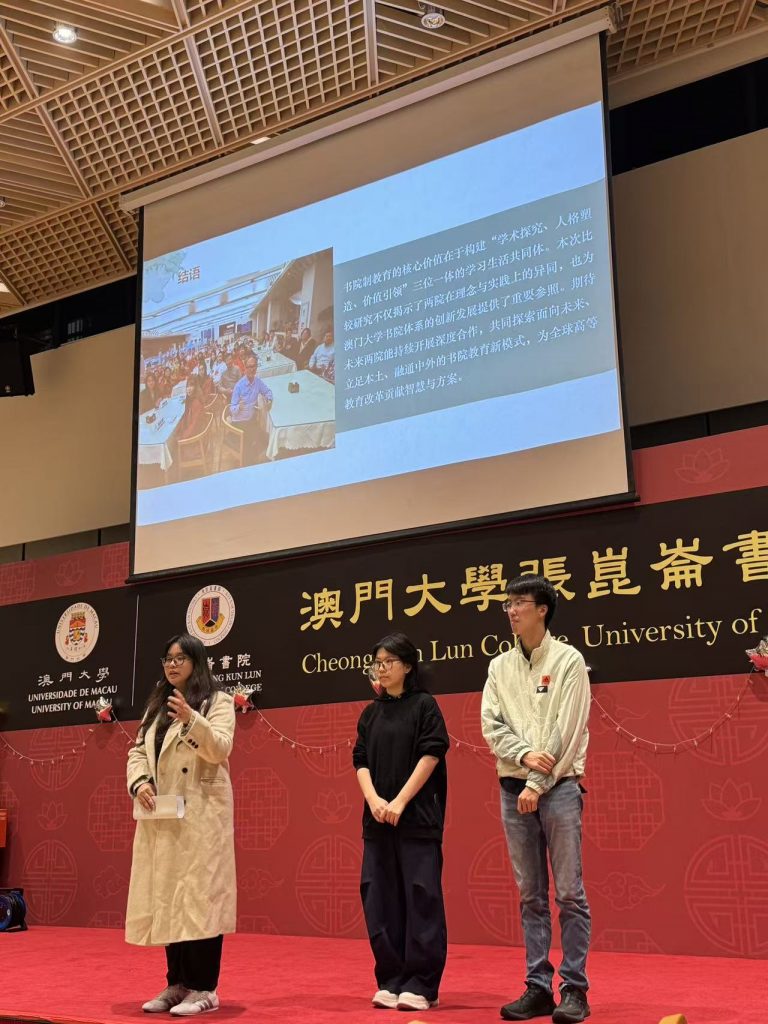
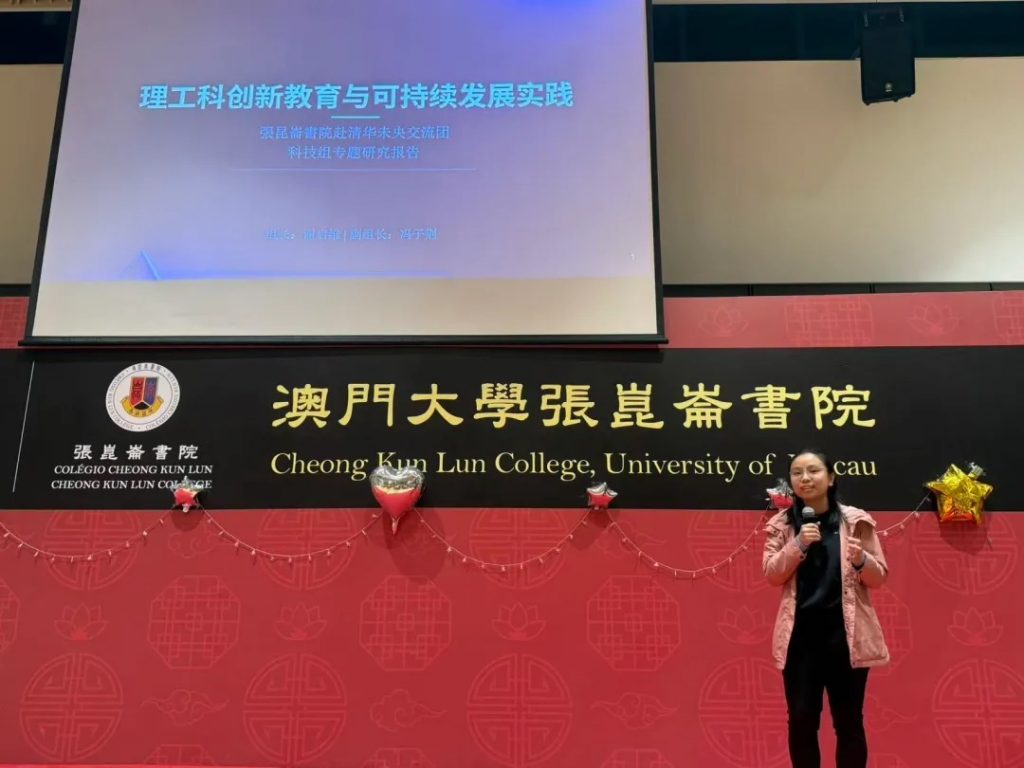
行程結束後,同學們以三組形式進行答辯。科技組聚焦“理工科創新教育與可持續發展實踐”,提煉清華“學科交叉+校企合作”模式經驗,提出澳門可推動高校與大灣區企業共建實訓基地、搭建葡語國家技術轉化平台等建議,馮子荊同學憑藉精彩演講獲最佳個人獎;文化組圍繞“中華文化傳承與現代教育創新”,剖析清華人文學科融入傳統文化教育模式,結合澳門中西文化交融特質提出文化教育升級建議,最終獲答辯第一名;書院組則開展“書院制教育模式的比較研究與創新實踐”,對比兩院育人理念,探索校際合作與培養模式創新可能。
 |
|
 |
 |
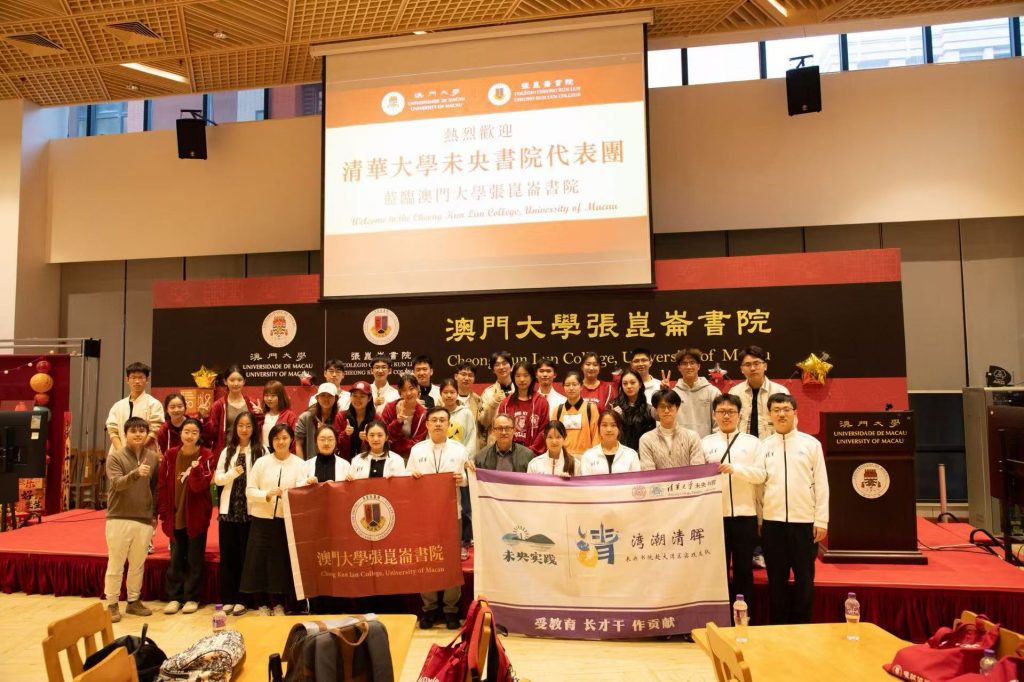
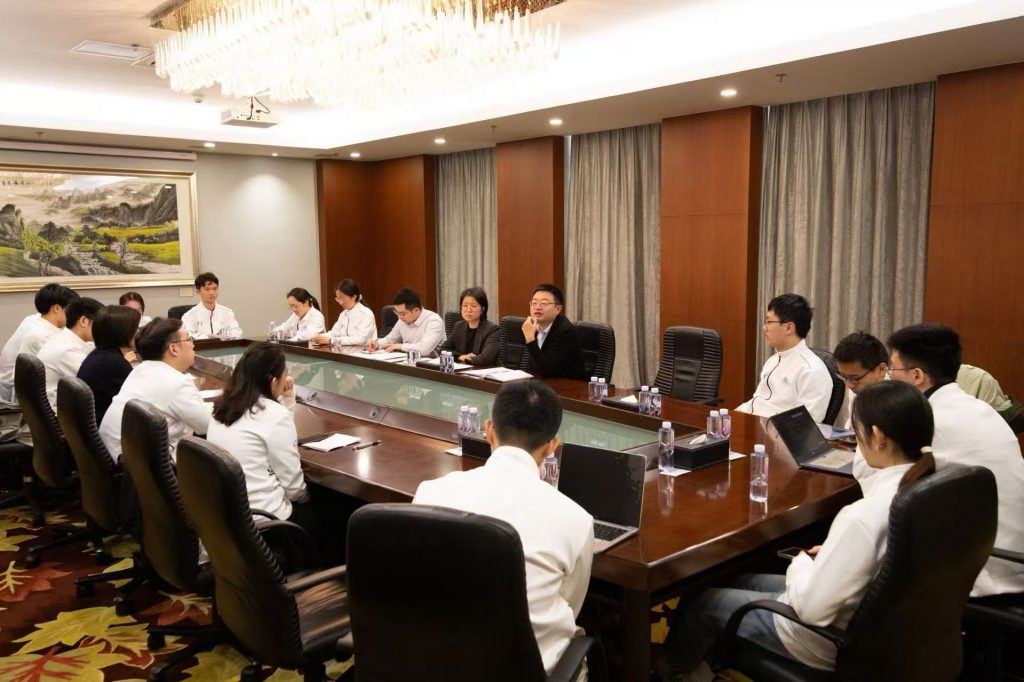
2026年2月1日至3日,清華大學未央書院對張崑崙書院進行回訪。張崑崙書院師生熱情接待,帶領參訪媽閣廟、鄭家大屋、大三巴牌坊等澳門特色景點,安排自由活動感受氹仔、路環風情,並參觀模擬與混合信號集成電路國家重點實驗室、智慧城市物聯網國家重點實驗室、澳門大學科技學院等科研場所,並在鄧安琪副院長的安排及帶領下,拜訪了澳門中聯辦。餐敘交流時,兩院師生圍繞三個答辯方向深入探討,碰撞出思維火花。
此次交流深化了兩院情誼,同學們在知識拓展、視野拓寬、能力提升中收穫成長。張崑崙書院將繼續搭建更廣闊的對話平台,助力學子全面發展。
自強不息,厚德載物
曦誠協進,共赴山海
兩院情誼,歷久彌新
澳門大學張崑崙書院
【Broad Learning & Selective Focus, Deep Accumulation & Steady Release — The Second Exchange Visit between Cheong Kun Lun College and Weiyang College Concludes Successfully】
As winter fades and spring returns, a new chapter unfolds amid joyful gatherings and promising prospects. From December 20 to 24, 2025, Professor Wong Man Chung, Master of Cheong Kun Lun College (CKLC) at the University of Macau, and Professor Lam Chi Chiu, Associate Dean of the Faculty of Science and Technology, led a delegation of 26 students and teachers to Weiyang College, Tsinghua University for a five-day exchange visit. This marked the second official interaction between the two colleges since the signing of their Memorandum of Understanding in May 2024, aiming to deepen mutual understanding, strengthen friendship, and turn cooperative visions into reality.
Under the personal guidance of Master Wong Man Chung, college teachers and student leaders jointly planned and implemented the visit. The format of this exchange differed significantly from previous ones. Potential participants were first shortlisted online based on their enthusiasm and potential for exchange, then further assessed through group interviews to understand their interests and strengths, and finally divided into three groups: the Science and Technology Group, the Culture Group, and the College Group. After the exchange, the three groups conducted a presentation and defense competition, focusing on the themes of “Science and Technology Group: Exploring the Frontiers of Innovation, Focusing on Sustainable Development”, “Culture Group: Inheriting Cultural Essence, Innovating Educational Models”, and “College Group: Benchmarking Educational Models, Discussing the Future of Talent Cultivation” respectively.
During their exchange at Tsinghua University, the delegation visited the Micro-Nano Fabrication Center of the School of Integrated Circuits, key laboratories of the Department of Electrical Engineering, and BOE Technology Group. They observed cutting-edge scientific research facilities such as chip design and energy conversion, and experienced the entire chain process of “learning, research, and application”; they visited the Palace Museum, the National Museum of China, 798 Art District, and Tsinghua University Art Museum to feel the integration of Chinese civilization and modern art; they paid tribute to the Memorial of the National Southwestern Associated University and the statue of Wen Yiduo along the timeline of Tsinghua’s school history, participated in a special sharing session on “The Art of Public Speaking”, and compared the educational models of “integration of general and specialized education, integration of undergraduate and doctoral education” and the “Four-in-One” talent cultivation model.
|
|
|
|
After the trip, the students conducted defenses in three groups. The Science and Technology Group focused on “Innovative STEM Education and Sustainable Development Practices”, summarized the experience of Tsinghua’s “interdisciplinary integration + university-enterprise cooperation” model, and put forward suggestions such as promoting universities in Macao to jointly build training bases with enterprises in the Greater Bay Area and establishing a technology transformation platform for Portuguese-speaking countries. Student Feng Zijing won the Best Individual Award for her excellent presentation; the Culture Group centered on “Inheritance of Chinese Culture and Innovation in Modern Education”, analyzed Tsinghua’s model of integrating traditional culture into humanities education, and proposed suggestions for upgrading cultural education combined with Macao’s characteristics of integrating Chinese and Western cultures, ultimately winning the first prize in the defense competition; the College Group carried out “A Comparative Study and Innovative Practice of Residential College Education Models”, compared the educational philosophies of the two colleges, and explored the possibilities of inter-university cooperation and innovation in training models.
|
|
|
|
From February 1 to 3, 2026, Weiyang College of Tsinghua University paid a return visit to Cheong Kun Lun College.The teachers and students of Cheong Kun Lun College gave them a warm reception. They visited iconic Macao attractions including A‑Ma Temple, Mandarin’s House, and the Ruins of St. Paul’s. Free time was arranged for the guests to experience the charm of Taipa and Coloane. They also toured research institutions such as the State Key Laboratory of Analog and Mixed‑Signal VLSI, the State Key Laboratory of Internet of Things for Smart City, and the Faculty of Science and Technology at the University of Macau. Under the arrangement and guidance of Associate Master Tang On Kei, the delegation also paid a visit to the Liaison Office of the Central People’s Government in the Macao Special Administrative Region. During the dinner gathering, teachers and students from both colleges held in-depth discussions around the three presentation themes, inspiring insightful ideas and stimulating fruitful academic exchanges.
This exchange deepened the friendship between the two colleges, gained growth through the expansion of knowledge, the broadening of horizons, and the improvement of abilities. Cheong Kun Lun College will continue to build a broader platform for dialogue to help students achieve all-round development.
Strengthen self-improvement constantly, cultivate virtue to embrace the world.
Strive with sincerity and unity, march forward toward great goals.
The friendship between the two colleges grows stronger with time.
Cheong Kun Lun College
University of Macau